
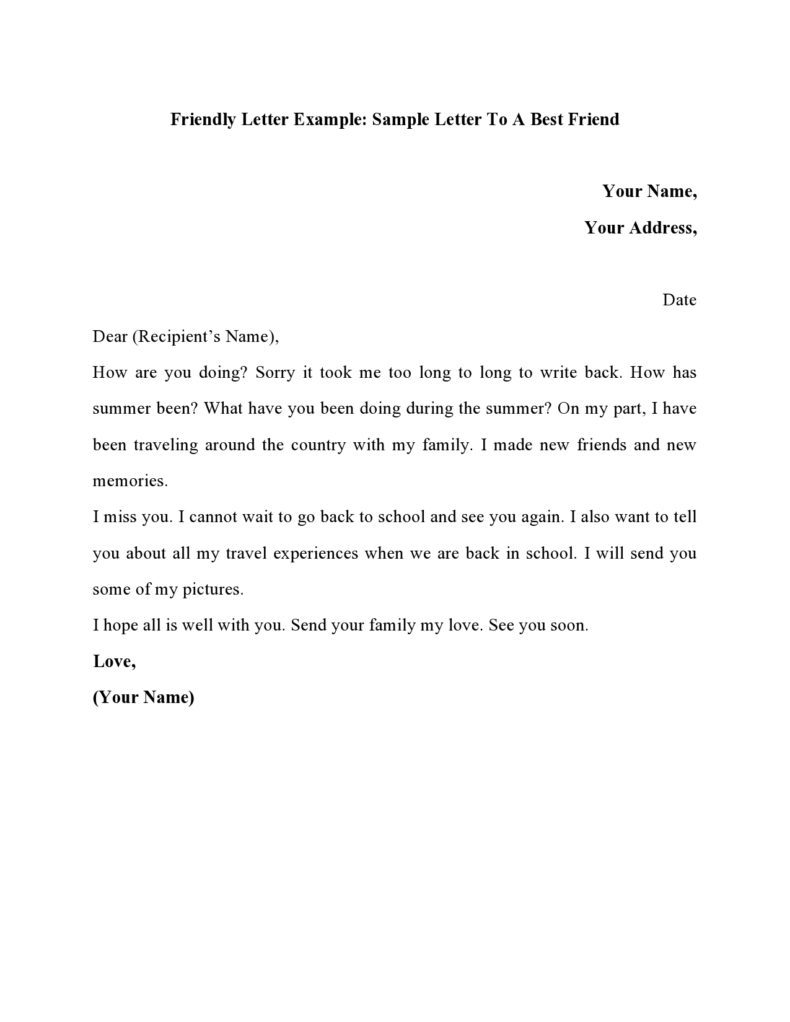
A lost letter from a soldier named Jack arrived at his family home fifty years after he mailed it during the war. It sat in a dark corner of a mail sorting room in London, forgotten under a heavy wooden desk until a worker moved the furniture.
When mail gets lost for decades, it usually stays lost forever, but sometimes a lucky break brings the words back to life. This single piece of paper crossed time to find the people Jack loved, even though he was long gone.
How a lost letter survived for half a century
Paper is fragile, but envelopes can hide in strange places for a very long time. Jack wrote this note in 1944 while stationed in France, just weeks before a big battle. He folded the paper, licked the glue, and dropped it into a canvas bag. That bag took a wrong turn at a busy depot.
Workers found the old sack behind a brick wall during a remodel of the building in 1994. The postal service checked the faded address on the front, which pointed to a small house in Manchester. They wondered if anyone from that family still lived at the old spot.
Most people love a good Human-interest story about the past coming back. Postal workers took the job seriously and tracked down local records. They did not want to throw the paper away because history lives in these old scraps.

Who opened the envelope after all those years
Mary was seventy years old when a mail carrier knocked on her door with the dusty envelope. She was Jack's baby sister, though she was only five years old when he left for the army. She barely remembered his face, but she knew his name very well.
Her hands shook as she held the stiff paper in the light of her kitchen. She saw her brother's messy handwriting right away. It looked just like the drawings he used to make for her on the back of old grocery bags.
Reading old mail is a powerful way to touch Oral history that textbooks leave out. Mary sat down at her wooden table and read the words out loud to her empty kitchen. Jack told her to be good for their mother and promised to bring her a small doll when he came home.
What did the lost letter actually say
Jack wrote about the cold rain in France and how much he missed Sunday roast beef. He did not talk much about the fighting because he wanted to keep his family happy. He wanted them to feel safe while he was far away.
He also mentioned a friend named Arthur who shared his tent and shared his food. Arthur did not make it home from the war either, so these words became a double memory. Every line carried the weight of a young man who ran out of time.
People often ask why mail takes so long, but fifty years breaks every record in the book. You can read more about strange historical items like The buried town of Curon that rose from the lake to see how the past refuses to stay hidden. Things from long ago have a funny way of popping back up when we least expect them.
Where does the family keep the letter now
Mary took the letter to a local museum so they could put it in a glass case. She wanted other people to see what a soldier wrote before he went into battle. Thousands of visitors walk past that case every single month and read Jack's last thoughts.
Sometimes you might wonder if you have any old letters tucked away in your own attic boxes. Check your old family trunks today because you might hold a piece of history right in your hands. You can learn more about basic preservation methods by checking out Survival skills for old paper goods.
Mary passed away a few years after the letter arrived, but her children now watch over the glass case. They make sure the museum keeps the lights dim so the ink does not fade away. Jack never got to come home, but his words finally finished their journey.
How the community reacted to the discovery
Local newspapers printed the story on the front page within days of the delivery. Neighbors came by with flowers and warm bread to offer their support to Mary. People in the town felt a deep connection to the soldier who had given his life for his country.
School children visited the home to hear Mary talk about her big brother. They asked many questions about what life was like during the war years. Mary showed them old photographs and told stories that helped them understand the past.
Why these personal messages matter today
Old letters teach us lessons that history books often miss. They show the human side of big global events through simple daily thoughts. Here are some reasons why these paper notes are so precious to keep safe
- They show real feelings from people who lived through hard times
- They give names and faces to soldiers lost in battle
- They connect modern generations with their family roots
- They preserve handwriting and personal details that photos cannot capture
Teachers often use letters like this in classrooms to make history feel alive. Students realize that soldiers were ordinary people just like them with families who loved them.
What happened to the house in Manchester
The small house where Mary received the letter has stood on the same street for nearly a century. New owners live there now, but they know the history of the walls around them. They often tell visitors about the day the mail carrier brought the famous package to the front door.
The town council placed a small brass plaque near the front gate to mark the event. Passersby stop to read the words and think about the journey of a single envelope. It stands as a quiet reminder of a young man who crossed an ocean to fight.
The lasting power of written words
Digital messages can disappear with the click of a button or a dead battery. Ink on paper has a way of lasting through the decades and waiting for the right moment to emerge. Jack had no idea his simple note would survive longer than he did.
Every time someone looks at the glass case in the museum, Jack's spirit lives on for a little longer. His promise to bring a doll was never kept, but his love for his sister crossed the boundaries of time.


0 Comments